What is Full Stack Development ?
Full Stack Development is the process of developing complete web applications by working on both the frontend and backend. It involves creating user interfaces, developing server-side functionality, managing databases, and integrating all components to build fully functional web applications. Full Stack Developers use multiple technologies to develop complete applications from start to deployment.
Why Should You Learn Full Stack Development in 2026?
Full Stack Development has become one of the most valuable skills in 2026 because businesses need developers who can design, develop, and maintain modern web applications from frontend to backend. Companies across industries are rapidly investing in web-based solutions, creating strong demand for skilled Full Stack Developers. Learning Full Stack Development prepares you for a wide range of career opportunities in startups, IT companies, and product-based organizations.
What Will You Learn in the Full Stack Development Course?
At Global IT, the Full Stack Development course covers all the essential concepts and practical techniques required to build complete web applications. You will learn how to design responsive user interfaces, develop server-side applications, manage databases, build REST APIs, implement authentication, integrate frontend and backend systems, and deploy full-stack applications. Throughout the course, you will gain practical experience by solving real-world business problems and working on industry-relevant projects.
Who Can Join This Full Stack Development Course?
Anyone can join this course. Whether you are a student, a fresher, a graduate from a commerce, science or arts stream, or a working professional planning to career switch, you can start learning from the basics and build practical Full Stack Development skills. Learners from non-IT and non-technical backgrounds are also join. No prior experience is required.
Which Tools and Technologies Will You Learn in the Full Stack Development Course?
- HTML5 For creating the structure of web pages.
- CSS3 For designing responsive and attractive user interfaces.
- JavaScript For adding interactivity and application logic.
- Bootstrap For building responsive websites quickly.
- jQuery For simplifying JavaScript programming and DOM manipulation.
- React.js For developing dynamic and interactive frontend applications.
- C For understanding programming fundamentals.
- C++ For strengthening object-oriented programming concepts.
- Java For building a strong programming foundation and application development concepts.
- SQL For storing, retrieving, and managing application data.
- PHP For developing dynamic server-side applications.
- Python For backend programming and modern application development.
- Node.js For building scalable server-side applications.
- Laravel For developing secure PHP web applications.
- Django For building robust Python-based web applications.
- Express.js For creating REST APIs and backend services with Node.js.
What Projects Will You Build During the Full Stack Development Course?
Throughout the course, you'll work on practical projects that help you apply your knowledge in real-world scenarios, including:
- Responsive Frontend Website Project Build modern and mobile-friendly user interfaces using frontend technologies.
- Dynamic Web Application Project Develop database-driven web applications with frontend and backend integration.
- Framework-Based Full Stack Project Build complete applications using industry-standard backend frameworks and technologies.
- Live Industry Project Work on a real-world project to gain practical development experience and strengthen your portfolio.
What Are the Career Scope After Completing a Full Stack Development Course?
After completing the course, you'll be prepared for more than just one job role. It creates a wide range of career opportunities such as Full Stack Developer, Frontend Developer, Backend Developer, Web Developer, Software Engineer, JavaScript Developer, and Application Developer across multiple industries.
Why Global IT Computer Academy Is the Best Full Stack Development Training Institute in Ahmedabad ?
Global IT Computer Academy has been helping learners build successful IT careers for 15+ years through quality education and industry-focused training. With 30,000+ trained learners and 3,500+ successful placements, it provides 100% practical training through both offline and online classes along with lifetime access to recorded lecture videos, so learners can revise concepts anytime, practice at their own pace, and continue learning beyond the classroom.
1100% Practical & Hands-on Training->
2Industry-Oriented Curriculum->
3Live Projects & Real Business Case Studies->
4Internship Opportunity at an IT Company->
5Resume Building, LinkedIn Profile Optimization & Mock Interview Preparation->
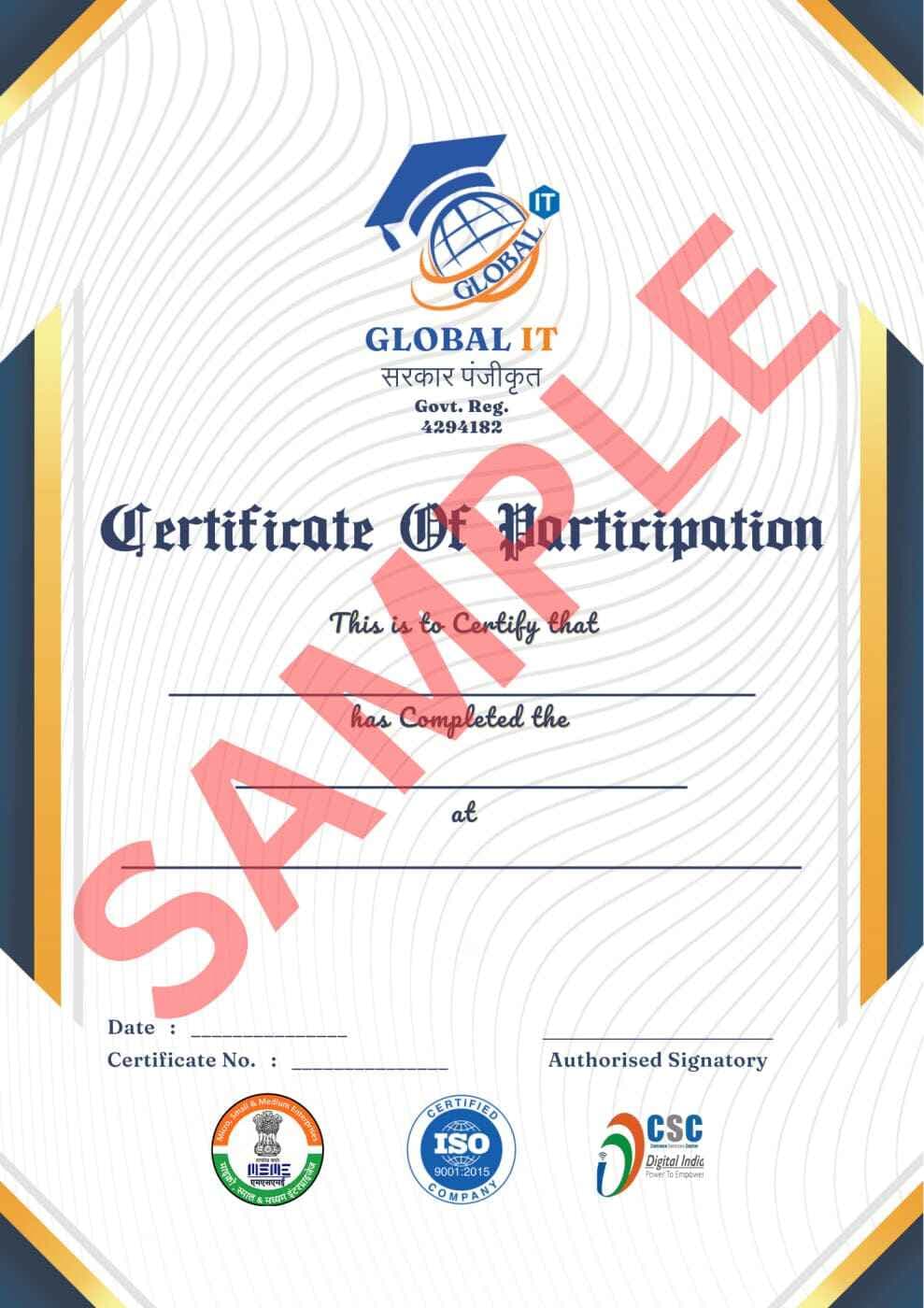
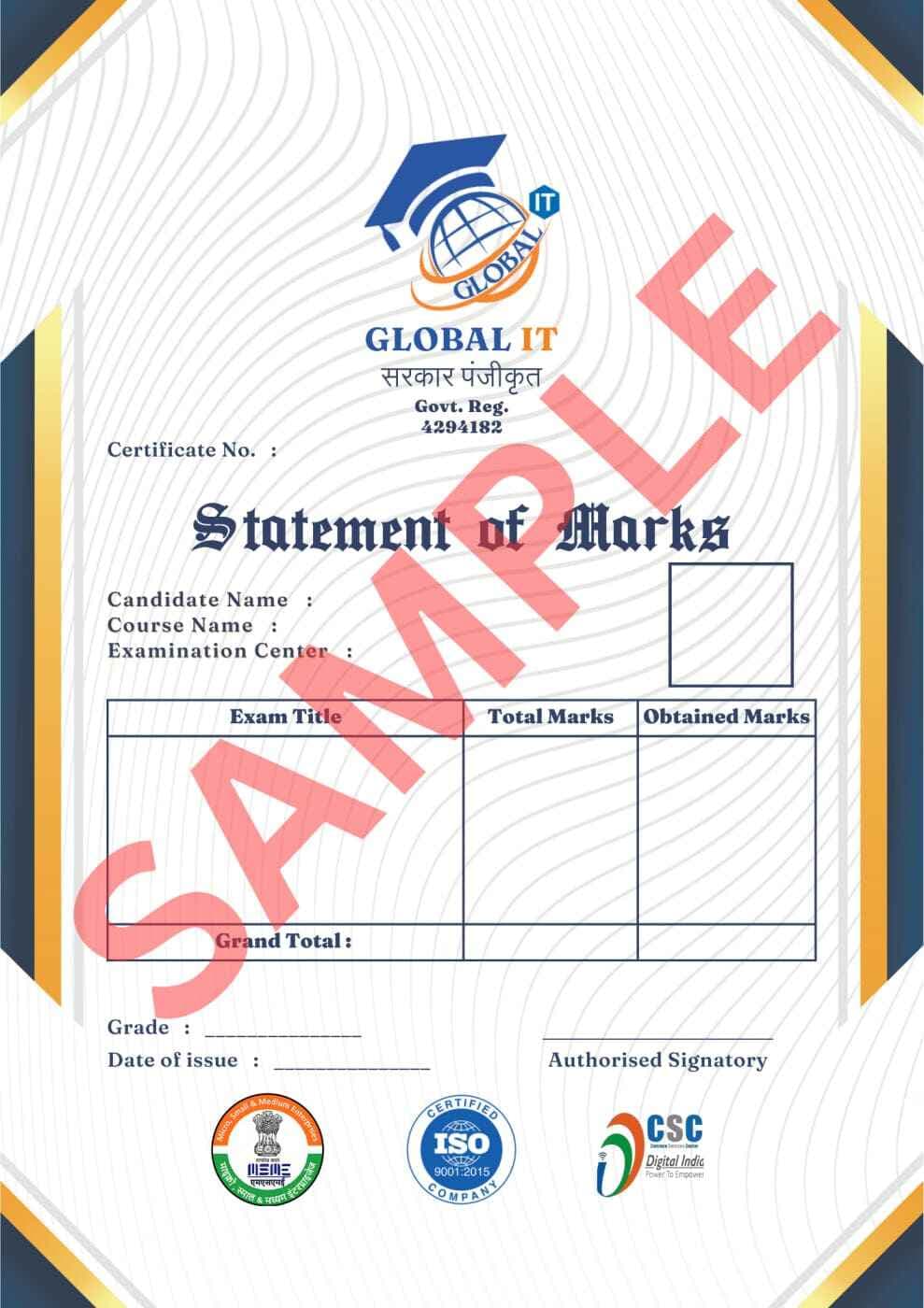
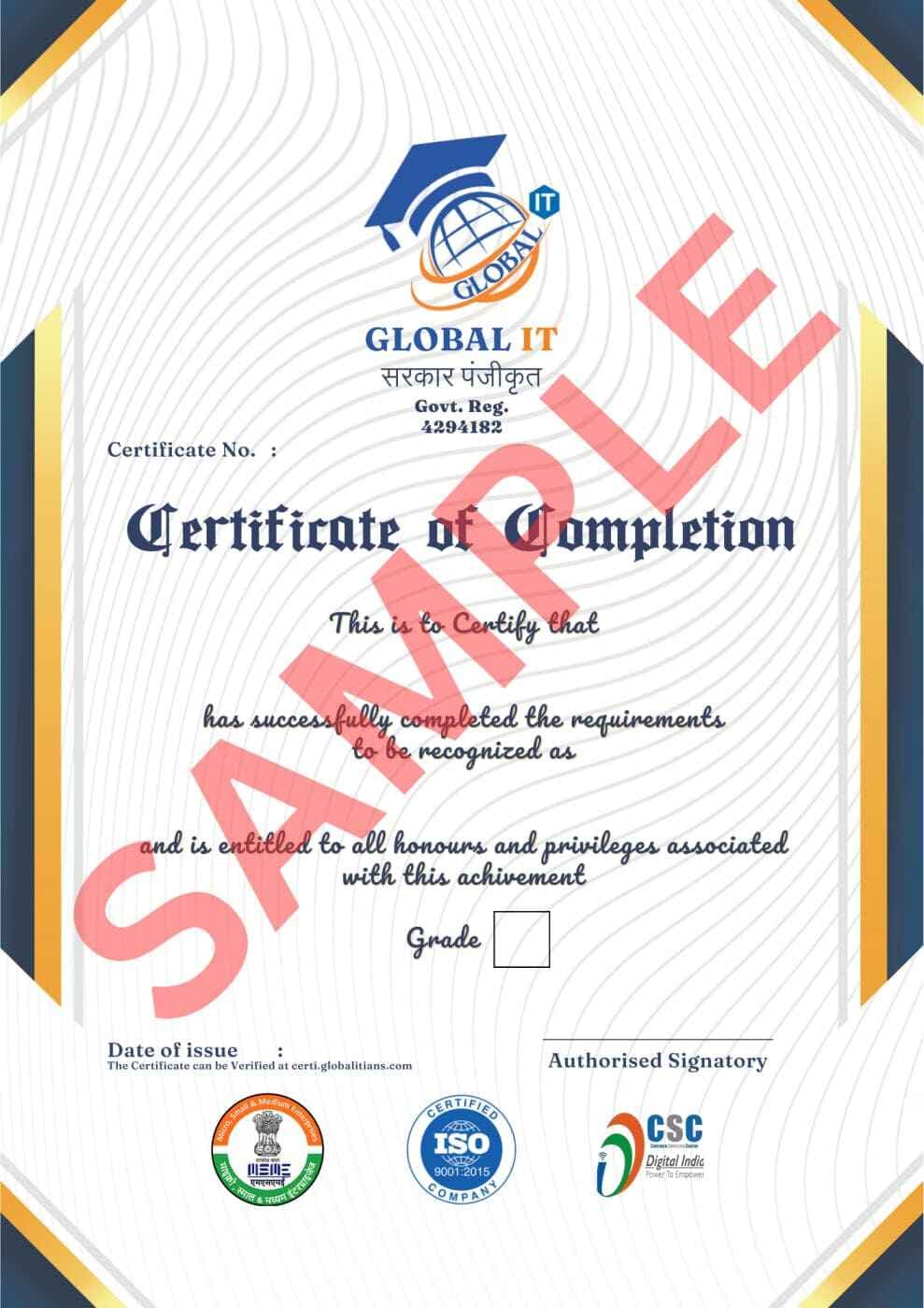
6Industry-Recognized Course & Internship Certificate->
7Small Batch Size for Better Mentor Interaction->
8Offline & Online Learning Options->
9Lifetime Access to Recorded Lecture Videos->
10Affordable Fees with Easy EMI Options & Flexible Batch Timings->
Are Online and Offline Full Stack Development Classes Available?
At Global IT Computer Academy, we provide Full Stack Development Course in both offline and online modes, giving learners the flexibility to choose the learning option that best suits their convenience and learning style. To support continuous learning, students also receive lifetime access to recorded lecture videos, making it easy to revisit concepts, review lessons, and continue learning anytime.
What Is the Salary of a Full Stack Developer in India?
In 2026, a fresher Full Stack Developer in India can typically earn between ₹3 LPA and ₹8 LPA, while professionals with strong practical skills and experience can earn significantly higher. Salaries vary depending on the job role, skills, experience, location, and the company.
Does This Full Stack Development Course Include Internship and Placement Support ?
Along with practical training, we also provide internship and placement support. During the internship, you work on live projects, solve real industry problems, and gain practical experience in a professional IT company environment. you'll also receive continuous support with resume building, portfolio development, and mock interviews until you get a job.